

Utah Supersedeas Bonds

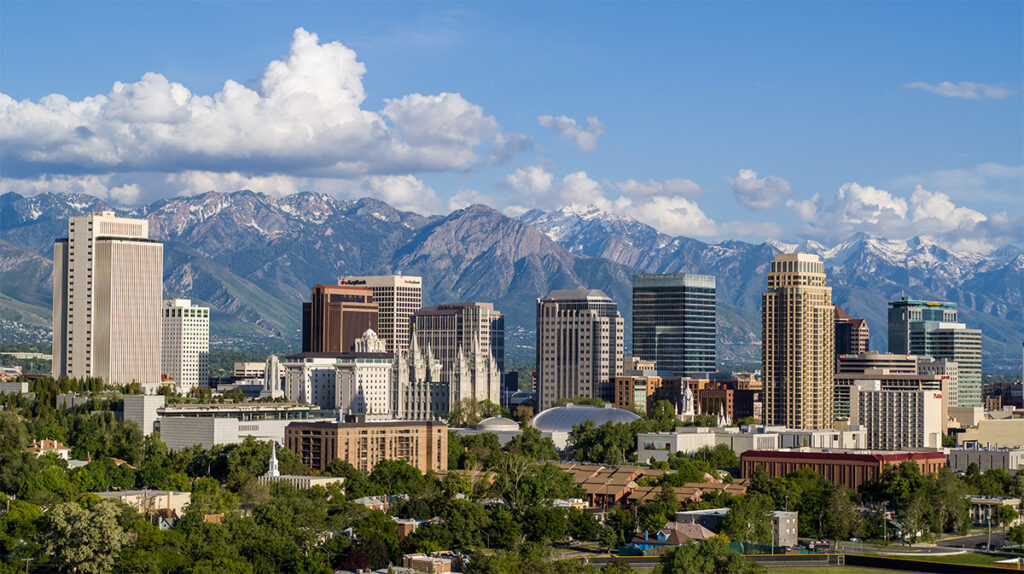
salt lake city utah

What is a Utah Supersedeas Bond?

In Utah, enforcement of a judgment is automatically delayed for 28 days after it is entered, as outlined in Rule 62(a). After this period, the judgment creditor can begin execution.

If the judgment debtor (the “appellant”) files an appeal, they “may obtain a stay of the enforcement of a judgment” for the duration of the appeal by providing a court-approved supersedeas bond or other security, per Rule 62(b). This security is not required to file the appeal itself, but it is necessary to prevent the judgment creditor from collecting on the judgment while the appeal is pending.

Utah Supersedeas Bond Amount Requirements

The amount for a bond or other security is governed by Rule 62 of the Utah Rules of Civil Procedure. While the court has final discretion, the rule establishes several key guidelines, exemptions, and caps.

Below are the primary items to note:

  • The presumptive amount of a bond or other security for compensatory damages is the amount of the compensatory damages plus costs, applicable attorney fees, and 3 years of interest (Rule 62(h)(2)(A)).
  • No Bond Requirement for Punitive Damages: Per Rule 62(h)(2)(C), no bond or other security is required for any punitive damages included in the judgment.
  • Government Exemption: Under Rule 62(d), no bond or security is required when the appellant is the United States, the State of Utah, or a political subdivision.
  • $25 Million Cap: The bond for compensatory damages “shall not exceed $25 million” in class actions or in cases with multiple plaintiffs where damages were not proved individually (Rule 62(h)(2)(B)).

It is important to note that the court retains broad discretion. Rule 62(h)(3) allows the court to permit a bond less than the presumptive amount. Conversely, Rule 62(h)(4) allows the court to set the bond without regard to the $25 million cap if it finds the appellant has dissipated assets or violated a court order.

(b) Stay by bond or other security; duration of stay. A party may obtain a stay of the enforcement of a judgment or order to pay money by providing a bond or other security, unless a stay is otherwise prohibited by law or these rules.

  1. The stay takes affect when the court approves the bond or other security and remains in effect for the time specified in the order that approves the bond or other security.
  2. In its discretion and on such conditions for the security of the adverse party as are proper, the court may stay:
    • (A) an order that is certified as final under Rule 54(b) until the entry of a final judgment under Rule 58A;
    • (B) an order to pay money under Rule 7(j)(8) until the entry of a judgment under Rule 58A;
    • (C) a judgment until resolution of any motion made pursuant to Rule 50(b), Rule 52(b), Rule 59, Rule 60, or Rule 73; and
    • (D) a judgment until resolution of a motion made under this rule.


Source

*This does not constitute legal advice, please read our disclaimer.

(h) Amount of bond or other security.

  1. Except as provided in subsection (h)(2), a court shall set the bond or other security in an amount that adequately protects the adverse party against loss or damage occasioned by the stay and assures payment after the stay ends. In setting the amount, the court may consider any relevant factor including:
    • (A) the debtor’s ability to pay the judgment or order to pay money;

    • (B) the existence and value of other security;

    • (C) the debtor’s opportunity to dissipate assets;

    • (D) the debtor’s likelihood of success on appeal; and

    • (E) the respective harm to the parties from setting a higher or lower amount.

  2. Notwithstanding subsection (h)(1):
    • (A) the presumptive amount of a bond or other security for compensatory damages is the amount of the compensatory damages plus costs and attorney fees; as applicable, plus 3 years of interest at the applicable interest rate;

    • (B) the bond or other security for compensatory damages shall not exceed $25 million in an action by the plaintiffs certified as a class under Rule 23 or in an action by multiple plaintiffs in which compensatory damages are not proved for each plaintiff individually; and

    • (C) no bond or other security shall be required for punitive damages.

  3. If the court permits a bond or other security that is less than the presumptive amount in subsection (h)(2)(A), the court may enter such orders as are necessary to protect the adverse party during the stay.
  4. If the court finds that the party seeking the stay has violated an order or has otherwise dissipated assets, the court may set the amount of the bond or other security without regard to the presumptive amount under subsection (h)(1) and limits in subsection (h)(2).

Source

*This does not constitute legal advice, please read our disclaimer.

Attorneys or lawyer reading statute of limitations, consulting between male lawyers and business clients, tax firms and examining contract documents in business before signing

Who Needs Supersedeas Bonds in Utah State Cases?

Aside from judgments against most public entities, all judgment debtors are required to post an supersedeas bond or other security to prevent judgment execution during the appeal.

Here are some of the cases that may require supersedeas bonds in Utah courts:

  • Contract Disputes
  • Class Action Lawsuits
  • Personal Injury Lawsuits
  • Property Disagreements
  • Business Litigation
  • Employment Law Disputes
  • Product Liability Claims
  • Intellectual Property Conflicts with Monetary Awards
  • Toxic Tort Litigation
  • Domestic Relations Cases involving property division, alimony, or child support

Utah Supersedeas Bonds Underwriting Requirements

Supersedeas bonds are technically an insurance product issued primarily by corporate surety companies. However, these bonds are more like an extension of credit and are therefore underwritten similar to bank loans.

Supersedeas bonds function more like financial guarantees, where the surety company guarantees to pay the judgment to the appellee up to the bond amount if the appellant doesn’t satisfy the judgment should it be affirmed on appeal.

Unlike insurance products, the appellant has to repay the surety company if the surety ends up satisfying the judgment. Because most civil appeals result in the judgment being affirmed, there is a high probability that the surety company backing the supersedeas bond will receive a claim. Given the likelihood of a claim, surety companies will often require collateral for the full bond amount.

There are exceptions to the collateral requirement, and those are generally when the appellants are publicly traded companies, banks, insurers, large private firms, municipalities, or high-net-worth individuals who meet particular criteria, such as if the appellant has significant net worth and liquid assets relative to the bond amount. See our article, “Qualifying for an Appeal Bond Without Collateral,” for additional content.

Common forms of collateral include:

FAQs

A Utah supersedeas bond cost is determined by the premium rate set by a surety company, which is generally between 0.3% to 4% depending on several factors such as:

  • The size of the supersedeas bond
  • The type of collateral provided, if required
  • The financial strength of the appellant relative to the bond amount, if the bond is being considered without collateral

The bond premium is charged yearly until the surety’s liability under the bond is fully released. If the bond is exonerated midterm after the first year’s renewal, the client will receive a prorated return premium from the surety company.

Securing a supersedeas bond in Utah can be a complex process. Following best practices and having an experienced appellate bond specialist working with your client can help simplify this process and ensure a smooth and efficient experience:

  1. Contact a surety bond agent early. This advantage helps the client explore all options and ensure they can file the supersedeas bond without delay.
  2. Ensure attorney involvement. Attorneys are critical in confirming the bond amount based on the jurisdiction’s requirements and parts of the judgment being bonded, updating the surety company on the deadline to file the bond, and reviewing the bond form to ensure it conforms with State or local rules.
  3. Choose the right surety bond agent. You and your client can choose the right surety bond agent by interviewing multiple professionals and choosing one with a strong track record of experience and who specializes in Utah supersedeas bonds.

Read our guide, “The Biggest Mistakes Made with Appeal Bonds,” to learn more.

When the stakes are high, your clients need a professional surety agent they can count on to stay judgment of an enforcement. At CSBA, we have decades of experience in supersedeas bonds, and we can guide your clients through the complex process.

A Legacy of Expertise & Trust

CSBA has helped appellants secure supersedeas bonds from various industries involving almost every type of case since 1984. So whether your client is an individual needing a $1 million bond or a publicly traded company with a billion dollar judgment, we have the experience and resources to help.

Exclusive Surety Insurer Access & Creative Solutions

At CSBA, we have access to 30 top-rated surety insurers. Several of these are exclusive or semi-exclusive insurers that most agents don’t have. This unique access and programs allow us to find creative solutions tailored to each client’s circumstances.

The time it takes to put a Utah supersedeas bond in place depends on various factors. For example, when collateral is not required, a bond can be approved and issued in as little as 24 hours in the most straightforward cases. However, the process can vary significantly when collateral is involved, and the time then depends on the type of collateral that is being used. For instance, cash collateral can be posted in just a few days, while securing real estate collateral can take 30 to 60 days, depending on the type and number of properties being posted.

Steps to Apply for a Supersedeas Bond

  1. Contact a supersedeas bond specialist to review your client’s bond requirements and start the process.
  2. CSBA will discuss the various options available with you and your client.
  3. Submit the following documents:
  4. CSBA will work on obtaining competitive terms for your client with the admitted surety insurers we work with. CSBA will outline the supersedeas bond approval for your client and facilitate securing the collateral.

While the process can typically take a few weeks, CSBA’s expertise allows us to expedite the process and minimize any delays in finalizing the issuance of the supersedeas bond.

Get a Free Quote for Your Client's Utah Supersedeas Bond Today

Filing a supersedeas bond comes with strict deadlines, and securing a Utah supersedeas bond requires a knowledgeable and responsive surety agent who understands the complexities of the court requirements. At CSBA, we specialize exclusively in appeal and civil litigation bonds, ensuring a fast approval process so you can focus on your case.

Scroll to Top